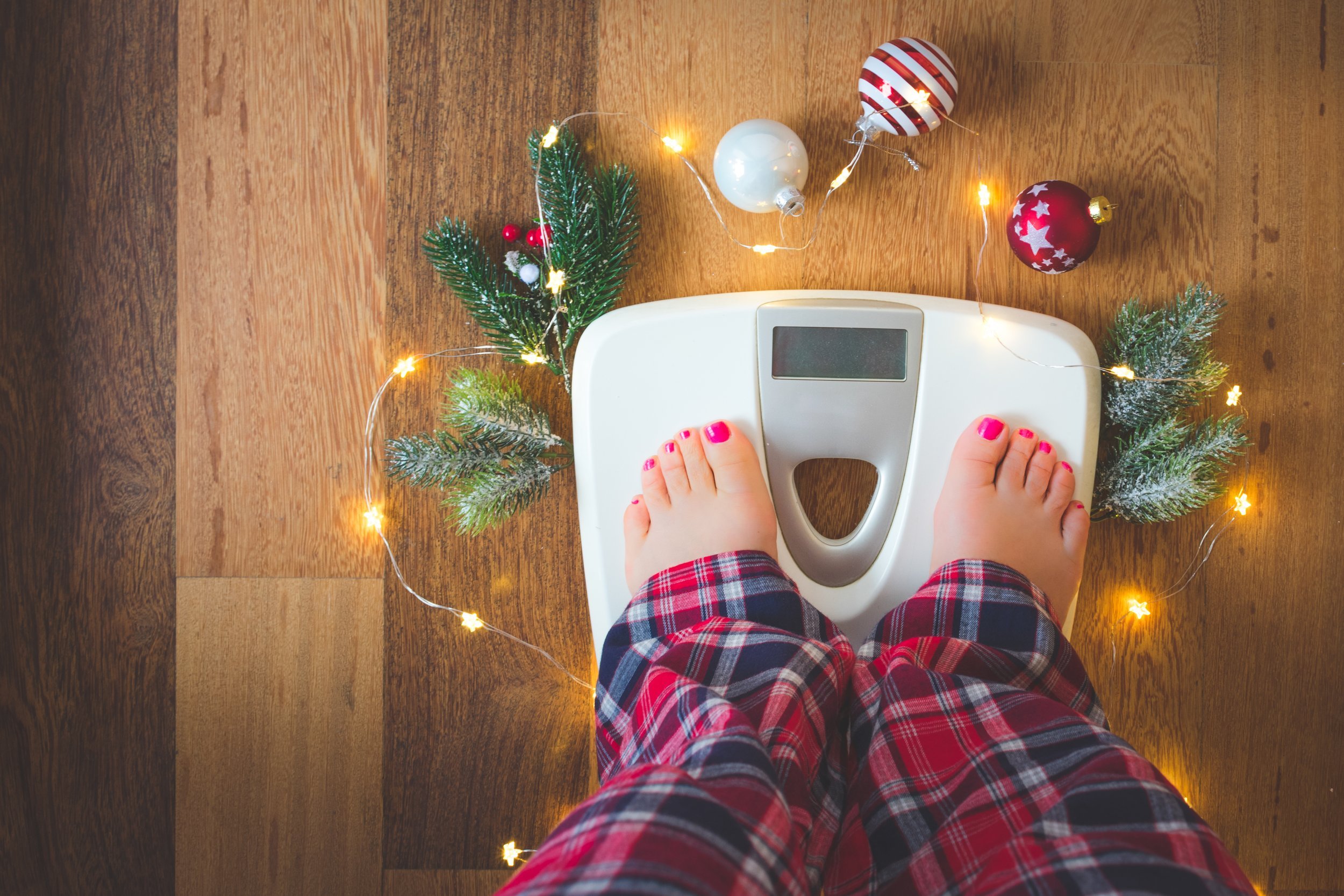
Can You Really “Undo” Christmas Overeating?
The Christmas season is full of celebrations, family time, and great food. With so many rich meals and sweet treats on offer, it’s easy to eat more than usual—and many people do.
Not surprisingly, the holidays are also a common time for weight gain. Research shows the average person gains around one kilo over this period, and that weight often sticks around rather than disappearing in the new year.
Because of this, many people try to “fix” the damage after the fact—usually by exercising more. But can you really undo overeating with extra time on the treadmill?
Let’s explore why trying to out-exercise Christmas indulgence doesn’t work with 12 science-backed strategies to help you enjoy the festive season without derailing your progress.
Can You Really Burn Off Christmas Dinner?
It’s a popular belief that exercise can cancel out overeating. While exercise is great for your health, it’s not as effective for weight loss as many people think.
In reality, workouts burn fewer calories than expected. A solid run may only burn the equivalent of a small dessert, and offsetting a full Christmas meal would take hours of exercise.
Your body also adapts by becoming more efficient and often moving less throughout the day, which reduces total calorie burn. That said, exercise still improves heart health, blood sugar control, cholesterol, and muscle retention—especially strength training.
What’s not helpful is using exercise as punishment for eating. A healthier approach is to use movement to support your overall well-being, not to “earn” or undo food.
12 Tips to Maintain Balance During the Holidays
Get clear on your goals: For most people, maintaining weight over ANY holiday period is a realistic and worthwhile goal.
Stay flexible, not restrictive: Strict rules often backfire. Allowing all foods in moderation reduces the risk of overeating.
Monitor your weight and intake: Regular check-ins can help you stay aware and prevent small gains from adding up.
Prioritise protein and calories: Protein helps with fullness and muscle maintenance. Total calories matter more than macro splits.
Practice mindful eating: Slow down, enjoy your food, and pay attention to hunger cues—especially in social settings.
Plan around big meals: Eat lighter earlier in the day or use calorie cycling to create flexibility without extremes.
Focus on people, not just food: Shift attention to connection and activities that don’t revolve around eating.
Manage holiday stress: Stress can drive overeating. Pause before snacking and check in with what you really need.
Go easy on alcohol: Alcohol adds calories, increases appetite, and interferes with fat loss and recovery.
Keep tempting foods out of sight: Out of sight really can mean out of mind when it comes to snacking.
Use accountability: Support from others can help you stay consistent during busy periods. Your personal trainer perhaps!
Don’t let one meal derail you: One indulgent meal won’t ruin your progress—giving up afterward is what causes trouble.
It’s about balance
Christmas time doesn’t have to mean all-or-nothing. With a balanced, flexible approach, you can enjoy festive foods while staying on track. Focus on moderation, mindfulness, and consistency—and remember that the true value of the season is time spent with the people you care about most.